Card Game Variations Across Cultures
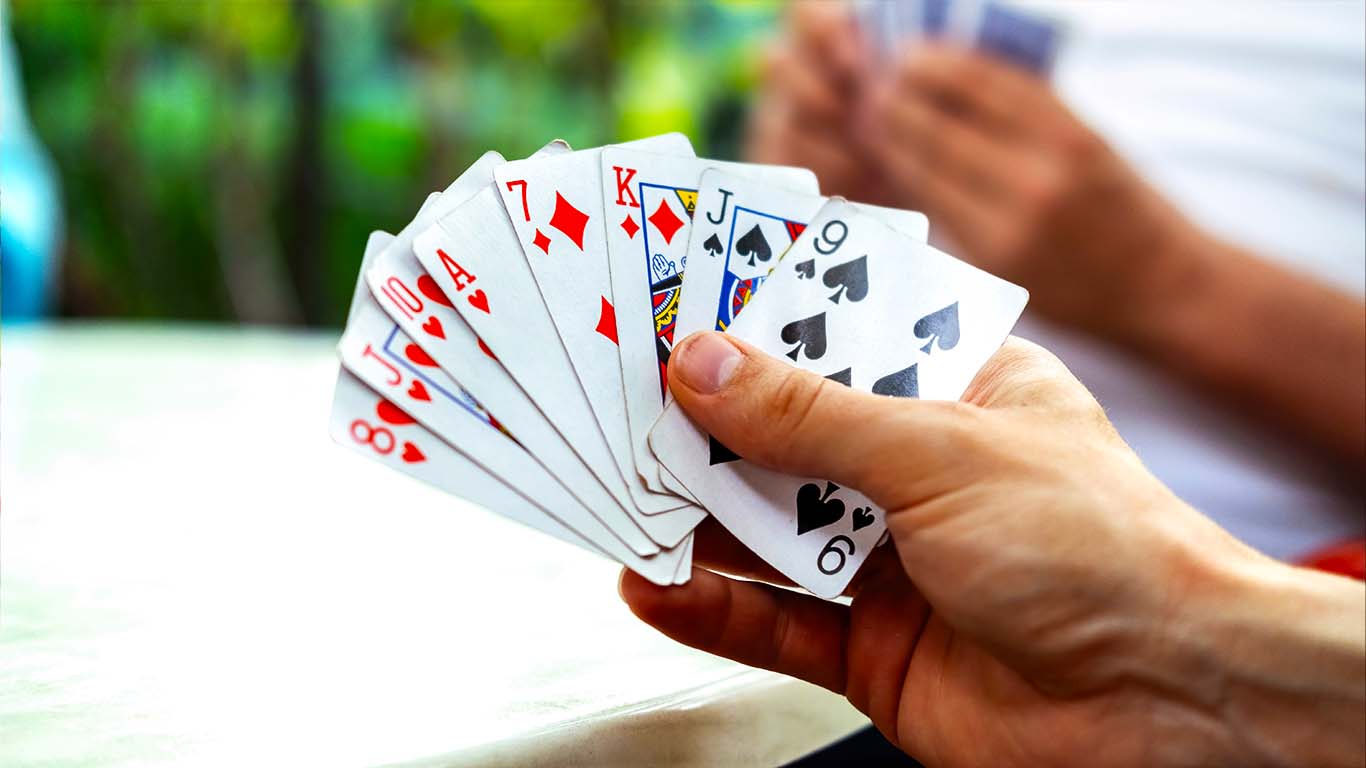
Card games are among the most widely shared forms of entertainment across the world. Although many people recognize familiar games played with a standard deck, card traditions differ significantly from one region to another. These differences reflect local customs, social habits, and historical influences that shaped how communities used cards for recreation and connection.
Exploring card game variations across cultures helps reveal how simple decks evolved into diverse systems of strategy, storytelling, and social interaction. From traditional European trick-taking games to Asian tile-inspired formats and regional adaptations of global classics, card games continue to reflect the identities of the communities that play them.
Understanding these cultural variations provides insight into both gaming traditions and the societies that shaped them.
How Card Games Spread Across the World
Playing cards first appeared centuries ago and gradually spread through trade routes connecting Asia, the Middle East, and Europe. As cards moved between regions, local communities adapted them to match their preferences and traditions.
This process led to differences in:
- card suits
- deck sizes
- scoring systems
- gameplay structure
- cultural symbolism
Over time, regional variations became distinct traditions rather than simple adaptations of earlier formats.
Today, card games remain one of the most recognizable examples of cultural exchange through entertainment.
European Card Game Traditions
Europe played a major role in shaping many card games that are now widely recognized worldwide. Several modern deck structures originated there.
Common European characteristics include:
- four-suit deck formats
- trick-taking gameplay styles
- partnership-based strategy games
- structured scoring systems
These traditions influenced many of the games now played globally.
French Card Game Influence
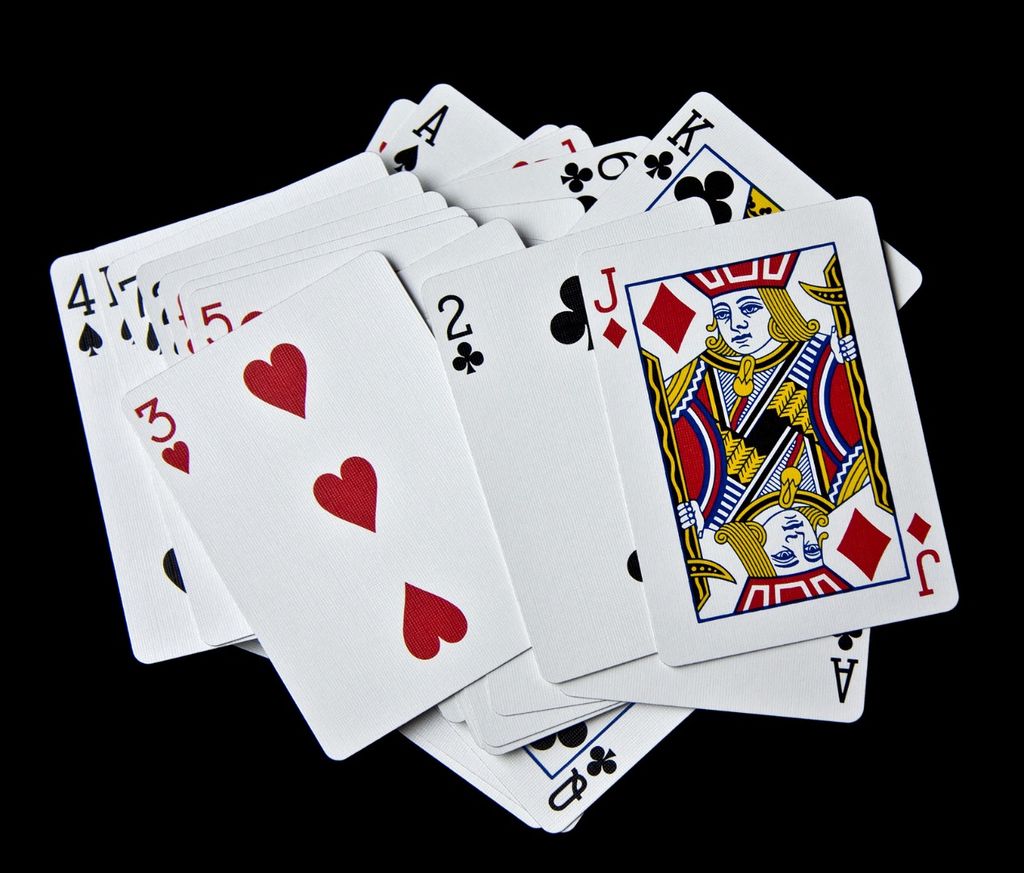
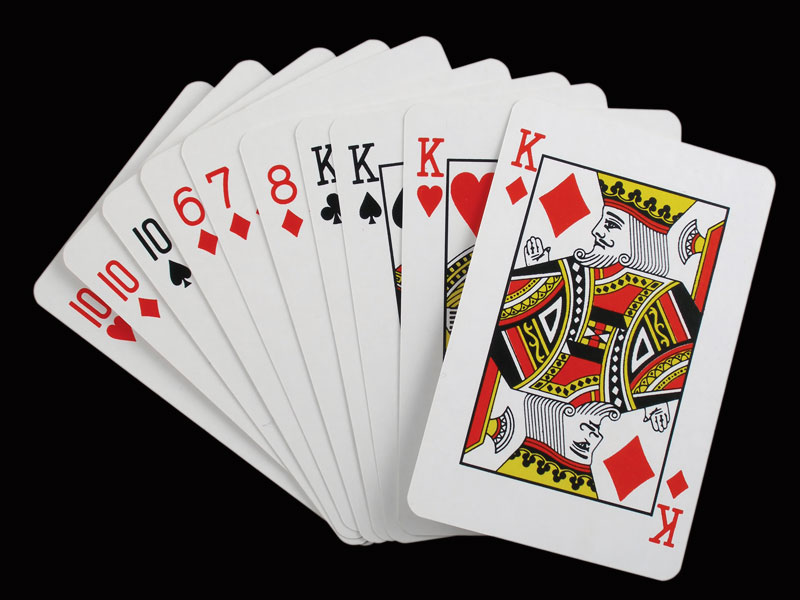
The modern standard deck used in many countries today is based on the French suit system.
These suits include:
- hearts
- diamonds
- clubs
- spades
French deck design became popular because it was easy to print and recognize visually. As printing technology spread, these suits became the foundation for many modern games.
Popular games influenced by the French deck structure include:
- bridge
- hearts
- rummy
- solitaire
These games remain widely played across multiple continents.
Spanish Card Game Traditions
Spain developed its own distinctive deck style that differs from the French structure.
Spanish decks typically include:
- cups
- coins
- swords
- clubs
These symbolic suits reflect historical influences connected to medieval culture and trade.
Spanish-style decks are commonly used in games such as:
- mus
- brisca
- escoba
These games remain especially popular in Spanish-speaking regions.
Italian Regional Variations
Italy developed several localized deck designs that vary slightly between regions.
Italian decks often feature:
- ornate artwork
- regional suit variations
- smaller deck sizes compared to French decks
Popular Italian card games include:
- scopa
- briscola
- tresette
These games emphasize strategy and observation skills.
Italian card traditions continue to play an important role in family gatherings and social events.
German Card Game Traditions
German card decks developed unique suit systems that differ from both French and Spanish formats.
Traditional German suits include:
- hearts
- leaves
- bells
- acorns
These designs reflect cultural symbolism connected to nature and regional heritage.
Popular German card games include:
- skat
- schafkopf
- doppelkopf
Many of these games involve partnership strategy and structured trick-taking mechanics.
German card traditions remain influential in Central Europe today.
British Card Game Traditions
The United Kingdom contributed significantly to the global popularity of structured trick-taking games.
British card game culture helped develop:
- bridge
- whist
- cribbage
Bridge became especially influential as a competitive strategy game played worldwide.
British card traditions often emphasize partnership coordination and careful planning.
These elements shaped many modern card strategy formats.
Indian Card Game Traditions
India developed several distinctive card game traditions influenced by both local culture and international trade connections.
One example is the traditional circular card game system used in certain historical decks.
Modern Indian card culture includes games such as:
- teen patti
- rummy variations
- andar bahar
Teen patti is especially popular during festivals and social gatherings.
These games often combine strategy with social interaction, making them an important part of community entertainment.
Chinese Card Game Traditions
China played a central role in the early development of playing cards. Some historians believe card-like gaming systems first appeared there centuries before spreading westward.
Chinese card games often include:
- tile-based influences
- symbolic artwork
- combination-based scoring systems
Examples include:
- 斗地主
- upgrade style trick games
- regional climbing games
Many Chinese card traditions emphasize sequencing and combination patterns rather than trick-taking structures.
These formats influenced several modern Asian card games.
Japanese Card Game Traditions
Japan developed distinctive card formats that differ significantly from Western decks.
One well-known example is hanafuda.
Hanafuda decks feature:
- seasonal imagery
- floral symbols
- artistic illustrations
- smaller deck sizes
Gameplay focuses on pattern recognition and matching combinations.
Japanese card traditions highlight visual storytelling as part of the gaming experience.
This artistic approach sets them apart from many other card systems.
Middle Eastern Card Game Traditions
Card games in Middle Eastern regions often reflect both European influences and locally developed variations.
Popular regional games include:
- tarneeb
- basra
- lekwah
These games frequently involve partnership strategy and structured trick-taking mechanics.
Card games remain a common feature of social gatherings across the region.
Shared gameplay supports communication and community interaction.
Latin American Card Game Traditions
Latin American countries adapted both Spanish and French card systems into their own regional formats.
Common characteristics include:
- fast-paced gameplay
- expressive table interaction
- simplified scoring structures
- social group participation
Popular games include:
- truco
- conga
- brisca variations
Truco is especially well known for its bluffing elements and lively table conversation.
Latin American card culture often emphasizes personality and social engagement during gameplay.
African Card Game Traditions
Many African card games reflect influences from both colonial-era deck structures and local recreational traditions.
Common features include:
- adaptation of European trick-taking systems
- simplified rule variations
- strong emphasis on group participation
- flexible gameplay formats
In several regions, card games are played primarily as social bonding activities rather than competitive contests.
These traditions continue evolving through community interaction.
North American Card Game Traditions
North America developed a strong culture of both casual and competitive card play.
Popular games include:
- poker
- euchre
- spades
- gin rummy
These games often emphasize strategy, probability awareness, and structured scoring systems.
Poker in particular became internationally recognized through tournaments and televised competitions.
North American card culture blends entertainment with strategic thinking.
How Cultural Differences Shape Gameplay Styles
Regional traditions influence how players approach card games in several ways.
These influences include:
- preferred deck structure
- pace of gameplay
- communication style at the table
- role of partnership strategy
- importance of bluffing elements
Understanding these differences helps players appreciate how culture shapes recreational habits.
Gameplay reflects both history and social values.
The Role of Card Games in Cultural Celebrations
In many regions, card games are closely connected to festivals and family gatherings.
Examples include:
- holiday gatherings in Europe
- festival celebrations in India
- community evenings in the Middle East
- family reunions in Latin America
These traditions strengthen relationships through shared activities.
Card games often become part of long-standing cultural routines.
Why Card Games Remain Universally Popular
Despite regional differences, card games continue to thrive worldwide because they are:
- portable
- flexible
- adaptable to group size
- easy to learn
- socially engaging
These qualities make them accessible across cultures and generations.
Card games remain one of the most enduring forms of shared entertainment.
How Globalization Is Influencing Modern Card Game Traditions
Modern communication and travel have increased exposure to international card games.
Today, players often experience:
- digital versions of traditional games
- cross-cultural rule adaptations
- global tournament participation
- online multiplayer environments
Globalization continues expanding how card traditions evolve and interact.
New formats emerge as players share experiences across regions.
FAQ Section
Why do different countries use different card suit systems
Suit systems developed independently as cards spread through trade routes, leading to region-specific symbolism and artwork.
Are traditional card games still played regularly today
Yes. Many traditional card games remain important parts of family gatherings and cultural celebrations worldwide.
Can players use standard decks to play international card games
Some games require specialized decks, but many can be adapted for use with standard playing cards.
Why are trick-taking games common in many cultures
Trick-taking formats are flexible and easy to adapt, making them popular across multiple regions over time.
Are cultural card games difficult to learn for beginners
Most traditional games are designed for social play and can be learned quickly with practice.
Do digital platforms support international card game variations
Yes. Many online platforms now offer regional card games from different parts of the world.
How do card games reflect cultural identity
Artwork, rules, and gameplay styles often reflect historical traditions, social values, and community interaction patterns within each region.