How Casinos Attract High Rollers and VIPs

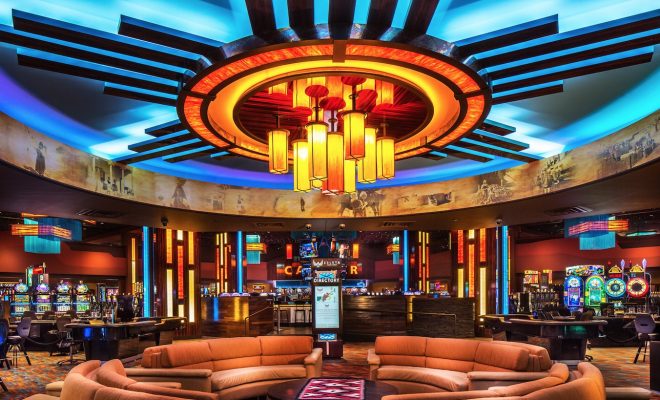
Casinos are not just entertainment hubs for casual gamblers. Behind the glittering lights and grand architecture lies a meticulously designed system aimed at attracting and retaining high rollers—players who wager large sums of money. These individuals, often referred to as VIPs, are the backbone of casino revenue. They can generate more profit in a single weekend than hundreds of casual players combined. Understanding how casinos attract and maintain relationships with high rollers offers insight into the sophisticated blend of psychology, hospitality, exclusivity, and probability that drives the global gaming industry.
The Psychology Behind Attracting High Rollers
Casinos understand that high rollers are motivated by more than just the thrill of gambling. For these elite players, the experience is tied to status, exclusivity, and personalized treatment. Every aspect of their interaction is crafted to make them feel unique and valued. The psychology behind this strategy centers on ego enhancement and perceived prestige. High rollers want to feel important, powerful, and part of an exclusive circle. By appealing to these emotional triggers, casinos can transform gambling into a luxury experience rather than just a game of chance.
The Principle of Reciprocity
One of the strongest psychological techniques used by casinos is reciprocity. When casinos offer VIP guests free luxury suites, private jets, or gourmet dining, it subtly encourages them to spend more in return. This tactic builds a sense of obligation, increasing the likelihood that the player will gamble at higher stakes.
Emotional Attachment and Loyalty
Casinos also cultivate emotional connections through personalized service. High rollers are assigned VIP hosts, whose job is to understand their preferences, habits, and needs. These hosts create a sense of belonging that keeps players loyal. This emotional attachment is far stronger than any promotional offer and often ensures repeat visits.
The Economics of VIP Attraction
Casinos invest heavily in high roller programs because the financial return is substantial. A single high roller might wager hundreds of thousands or even millions of dollars per session. Even with the occasional massive win, the law of large numbers ensures that the casino maintains profitability over time.
To put this into perspective, studies suggest that VIPs account for 30% to 50% of a casino’s gaming revenue, despite representing less than 10% of the total player base. The house edge, although small in individual games, multiplies rapidly when bets are large. Therefore, casinos focus on attracting these players through highly customized strategies.
Exclusive VIP Programs and Loyalty Tiers
High rollers are often courted through exclusive membership programs that reward their spending and loyalty. These programs are designed with tiered structures that escalate in benefits as the player spends more.
Common VIP Tiers Include:
- Gold: Entry-level VIPs with moderate betting activity
- Platinum: Mid-tier high rollers with consistent play
- Diamond or Elite: Top-tier players with significant wagering history
Each level comes with perks that may include complimentary stays, dining credits, event access, and even luxury gifts like watches, vacations, or cars. However, what truly sets these programs apart is the personalized service and access to experiences that are not available to the general public.
Personalized Incentives
Casinos analyze player data to design custom rewards. For instance, if a player enjoys golf, they might receive an invitation to an exclusive golf event with professional athletes. If another prefers luxury travel, the casino might offer a complimentary weekend at a high-end resort. These gestures go far beyond monetary rewards—they create lasting loyalty.
The Role of Casino Hosts and Relationship Management
Casino hosts are the front-line ambassadors of VIP relations. Their role extends beyond customer service; they act as concierges, psychologists, and negotiators. A skilled host knows how to balance generosity with the casino’s profitability.
Responsibilities of a VIP Host:
- Track player activity and preferences
- Arrange travel, accommodations, and entertainment
- Offer incentives based on wagering levels
- Maintain close personal contact with clients
- Ensure the guest feels valued and understood
The most effective hosts develop genuine relationships with their clients. They remember birthdays, family details, and favorite drinks. This personalized attention transforms gambling into an emotionally satisfying experience, encouraging repeat visits.
The Luxury Experience: Beyond the Casino Floor
Casinos know that to attract wealthy clientele, they must deliver an experience that rivals five-star resorts and private clubs. The luxury experience is a key component of high roller marketing.
Exclusive Amenities for VIPs
- Private Gaming Rooms: Secluded spaces offering privacy and discretion
- Luxury Suites: Lavish accommodations often featuring panoramic views, spas, and private butlers
- Fine Dining: Access to world-class restaurants and private chefs
- Entertainment Access: VIP seats at concerts, sports events, and exclusive shows
- Transportation: Private jet transfers, limousine services, or even helicopter arrivals
Casinos often partner with luxury brands to elevate these experiences. High-end fashion, fine wine, and private art tours are integrated into the overall hospitality package to ensure the VIP’s lifestyle expectations are exceeded.
Global Destinations Known for High Roller Culture
Some regions are world-renowned for their focus on high-stakes gaming and VIP culture. Las Vegas, Monaco, Macau, and Singapore are considered the top destinations for elite players.
- Las Vegas: Offers extravagant suites, world-class entertainment, and a long-standing tradition of VIP treatment.
- Macau: Known for its opulent gaming resorts, it attracts Asian high rollers who prefer private gaming salons and discreet service.
- Monaco: Appeals to European aristocracy with its refined elegance and exclusivity.
- Singapore: Combines luxury hospitality with a modern, tech-driven gaming experience.
These global hubs showcase how different cultures adapt the high roller experience to match their clientele’s expectations while maintaining the universal allure of exclusivity.
Data-Driven Personalization and Analytics
In the modern casino landscape, data analytics plays a critical role in identifying and retaining high rollers. Casinos use predictive modeling to analyze betting patterns, game preferences, and spending behavior. This data enables precise targeting of potential VIPs with offers tailored to their motivations.
For example, if analytics show a player consistently bets high amounts in baccarat but rarely plays slots, the casino can offer private baccarat tournaments or higher table limits. Additionally, AI-driven systems track player engagement in real time, allowing instant adjustment of perks and services.
This integration of technology ensures efficiency while maintaining the illusion of spontaneity and personalization. The player perceives it as attention to detail, while the casino uses it as a calculated retention tool.
The Role of Credit and Risk Management
High rollers often play with casino credit lines, which allow them to gamble large sums without carrying physical cash. These lines of credit are extended based on financial background checks and betting history. While this system fosters loyalty and convenience, it also requires careful risk management.
Casinos employ credit analysts and financial officers to monitor lending activity. The goal is to provide flexibility without jeopardizing the casino’s financial stability. For VIPs, the availability of instant credit adds prestige and trust, making them feel like true insiders.
Cultural Sensitivity and Global Appeal
Different cultures view gambling through unique social and emotional lenses. Casinos adapt their marketing and hospitality strategies accordingly.
- Asian High Rollers: Often value privacy, respect, and subtlety. Casinos in Macau or Singapore cater to this through discreet hosts and exclusive salons.
- Western VIPs: Prefer visibility, recognition, and access to social events that enhance their status. Las Vegas casinos often emphasize celebrity encounters and lavish displays.
Understanding these cultural nuances allows casinos to design experiences that resonate with diverse clientele while maintaining the universal appeal of exclusivity.
Discretion and Privacy in VIP Relations
Privacy is paramount in high roller management. Many wealthy individuals value confidentiality regarding their gambling habits. Casinos invest heavily in security and discretion, offering private entrances, confidential billing, and limited media exposure. This sense of security allows VIPs to relax and indulge without concern for public scrutiny.
The Impact of Technology on VIP Engagement
Technology has redefined how casinos interact with their most valuable players. Advanced CRM systems, AI-driven recommendations, and virtual reality experiences now enhance VIP engagement. Online casinos also replicate the luxury experience through digital VIP clubs, where members receive personal account managers, higher withdrawal limits, and tailored bonuses.
By blending technology with traditional hospitality, casinos ensure that high rollers feel equally valued whether they gamble on-site or online.
FAQs
Q1: What qualifies someone as a high roller?
A high roller, or VIP, is typically someone who wagers large amounts consistently. While the definition varies by casino, it often starts with players who bet thousands per hand or deposit six-figure sums regularly.
Q2: Do casinos lose money on high rollers?
In the short term, yes, casinos can lose large sums to high rollers. However, over time, the house edge and probability ensure the casino remains profitable.
Q3: Are all high rollers offered private jets and luxury suites?
Not all. These benefits are reserved for top-tier VIPs who maintain consistent high spending levels. The extent of perks depends on their play history and overall relationship with the casino.
Q4: How do casinos ensure fairness for high-stakes players?
Reputable casinos maintain strict regulations, auditing, and surveillance to ensure fairness. High rollers often receive private game monitoring to guarantee transparency.
Q5: Can online casinos offer the same VIP experience as physical ones?
Yes. Many online platforms now feature VIP programs offering personal account managers, tailored promotions, and even physical luxury rewards, bridging the gap between digital and real-world luxury.
Casinos attract high rollers and VIPs through a sophisticated combination of luxury, psychology, exclusivity, and data-driven personalization. Each strategy reinforces the player’s sense of importance, turning gambling into a high-status experience rather than a simple game of chance. In this finely balanced world, probability and prestige intertwine, creating an ecosystem where both the player’s thrill and the casino’s profit coexist in perfect harmony.